Brand: TEATRO ALLA SCALA
A Contemporary Identity Proposal
2025
This proposal presents the Fondazione Teatro alla Scala as a living cultural ecosystem that combines historical prestige with contemporary creativity. Through an integrated visual and digital strategy, it connects the Theatre, Museum, Academy, and LaScalaTV into a coherent narrative capable of engaging diverse global audiences. At the core of the concept is the idea of visual reverberation: music translated into a dynamic visual language that expresses emotion, rhythm, and intensity while preserving the rigor and institutional identity of the Foundation.
-
FROM “TEMPLE” TO “CULTURAL ECOSYSTEM”
The Fondazione Teatro alla Scala and Museo Teatrale (hereafter referred to as “the Foundation”), beyond presenting itself as a monument to musical history, is also a living place that actively generates culture today, in dialogue with Milan and with the world. The experience must appear both exclusive and open, classical and contemporary at the same time.
The goal of this proposal is to highlight the Foundation as an active and contemporary artistic heritage—one that renews itself every season, engages diverse audiences, and represents Milan as a global cultural capital.
Communication choices can move beyond technical self-referentiality (such as the exclusive use of the Bodoni Parmigiano typeface) to embrace a language that, while maintaining rigor, allows space for emotion and expressiveness—values that naturally resonate with an international audience. The Foundation’s image remains faithful to its institutional authority and prestige, yet it is framed within a clear and open visual structure capable of conveying the balance between discipline and emotion that defines the very soul of its performances and artistic offerings.
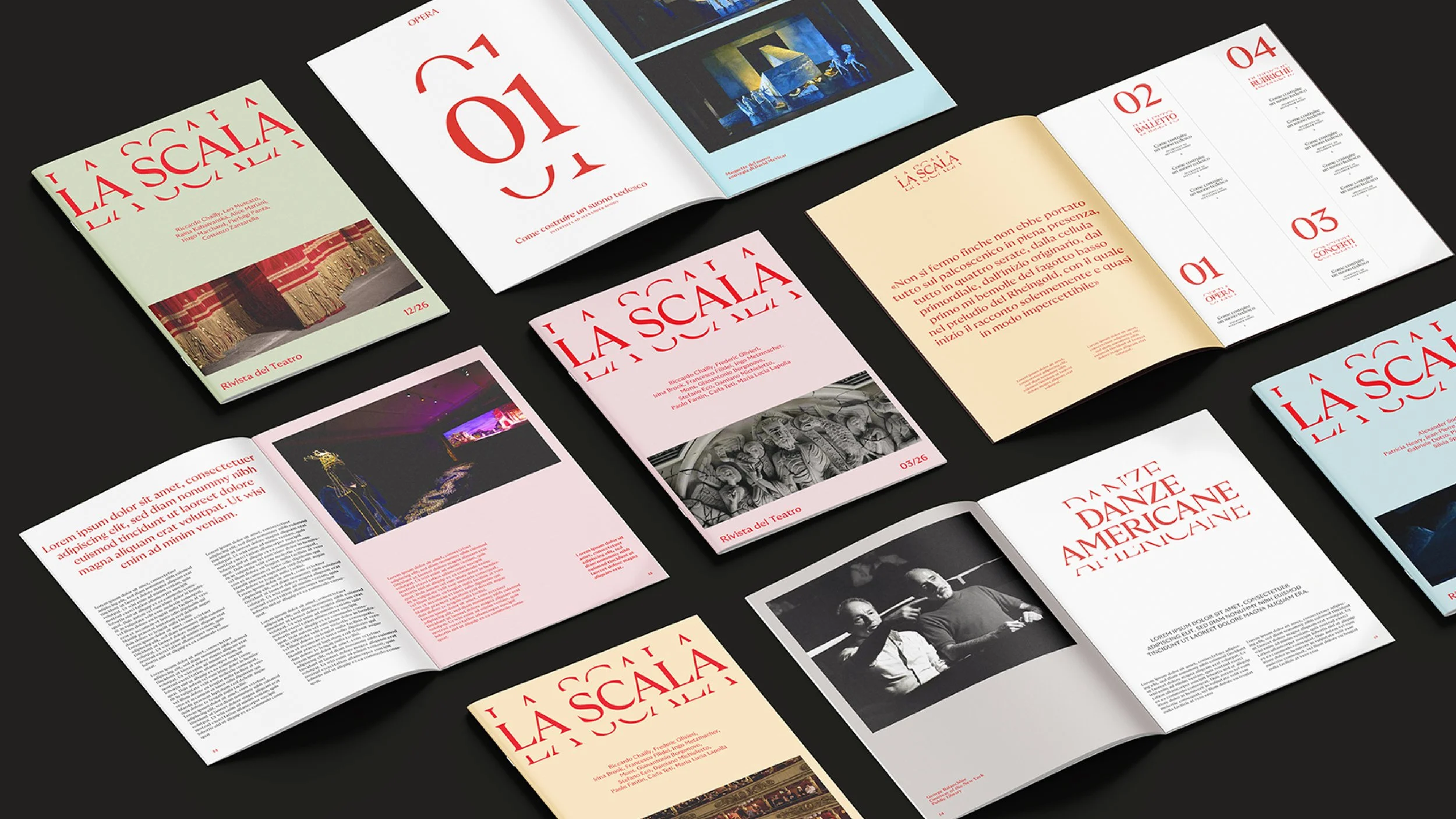
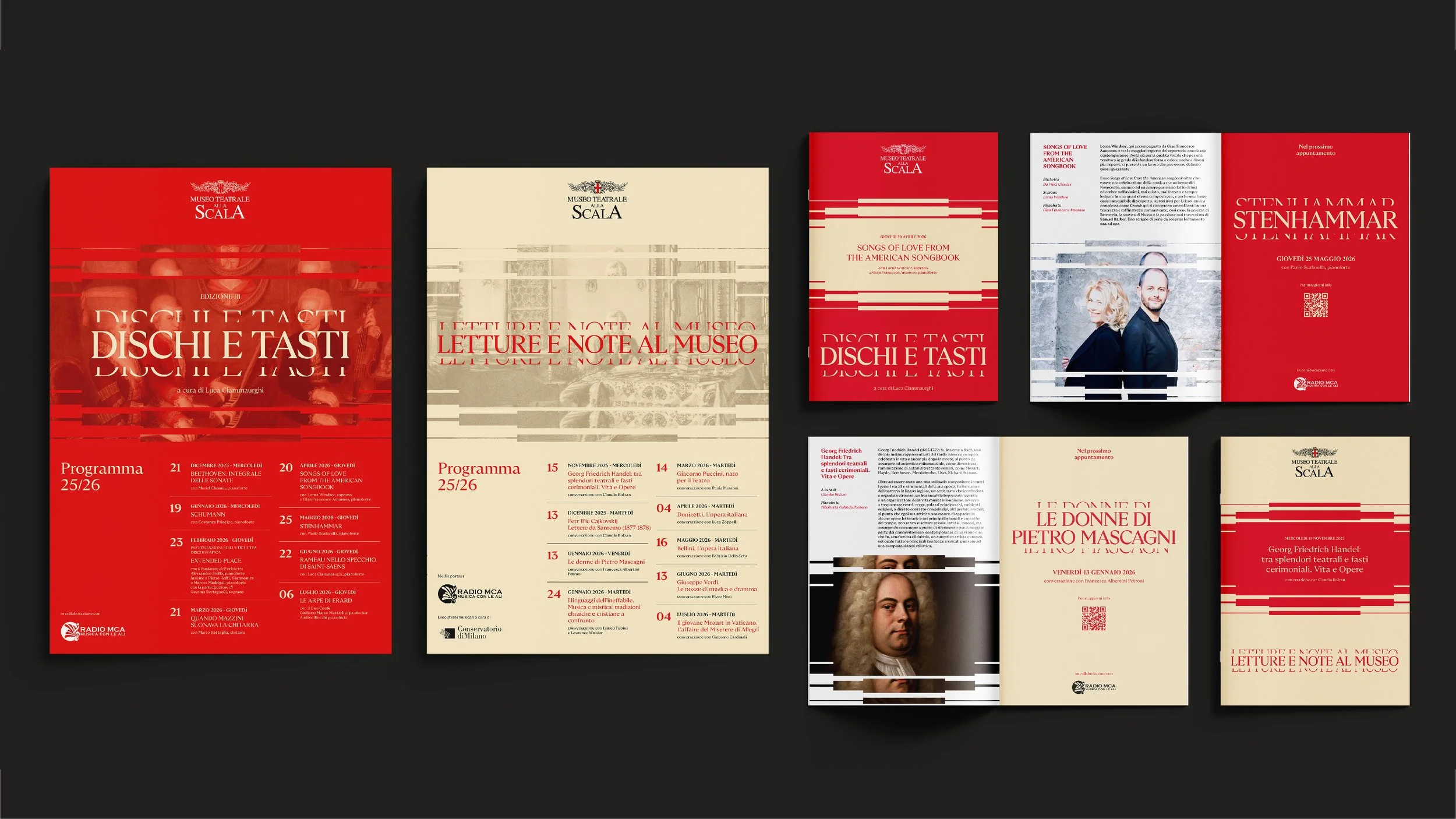
All components of the ecosystem (Theatre, Museum, Academy, LaScalaTV, etc.) are part of a single narrative. The objective is to define and regulate the variations of each entity, enhancing their distinctive characteristics and the specific communication channels that involve them, while maintaining coherence and harmony across the ecosystem. The result is a flexible framework capable of highlighting each identity while responding to the particular needs of the different sections.
The proposal aims to strengthen the Foundation’s digital presence through a structured and differentiated management of all digital channels: not only social media, but also the website, Google Ads campaigns, newsletters, and automation systems. The objective is to build a coherent ecosystem that functions simultaneously as a communication, analysis, and listening platform—one capable of expanding accessibility to diverse audiences while reinforcing the Foundation’s global identity.
At the core of the strategy lies the creation of a data monitoring and control system that centrally collects the performance of social media, website activity, campaigns, and newsletters through multi-channel dashboards. This enables a comprehensive overview of the Foundation’s digital health, supports more precise strategic decision-making, and optimizes the allocation of resources.
The strategy is structured around four main pillars:
A) Content and multichannel presence
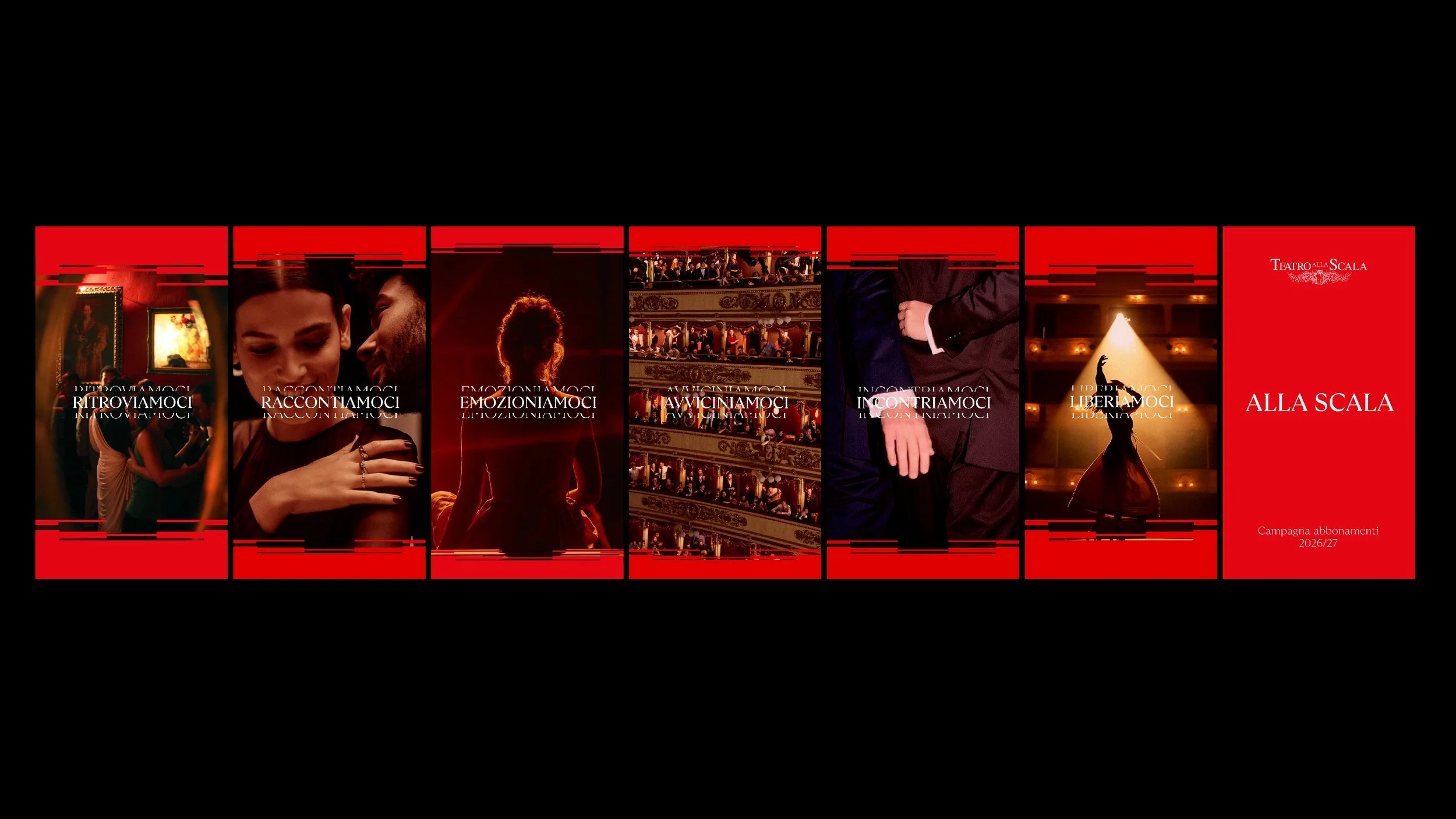
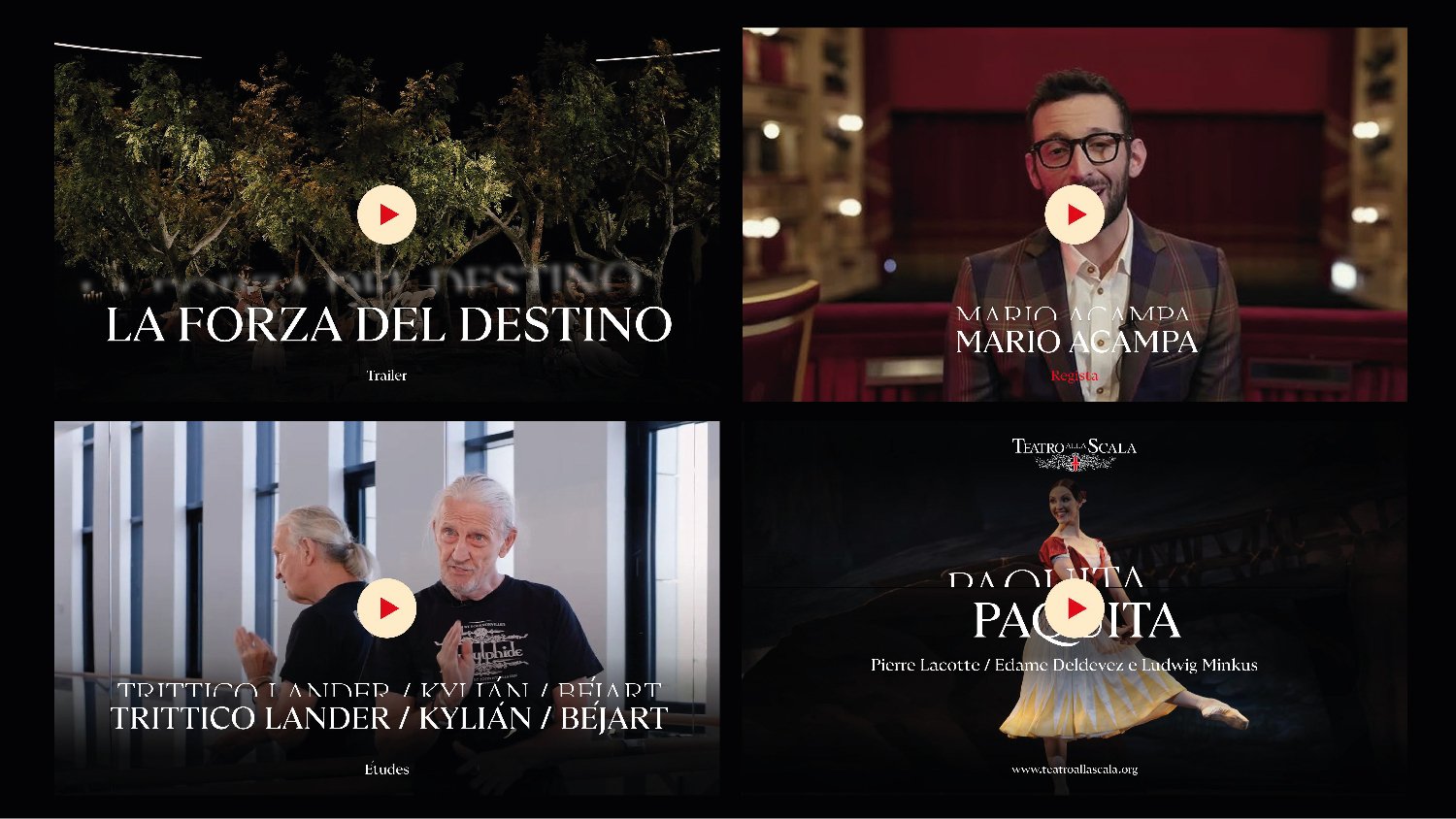
Social media with dedicated formats tailored to specific audiences and platforms
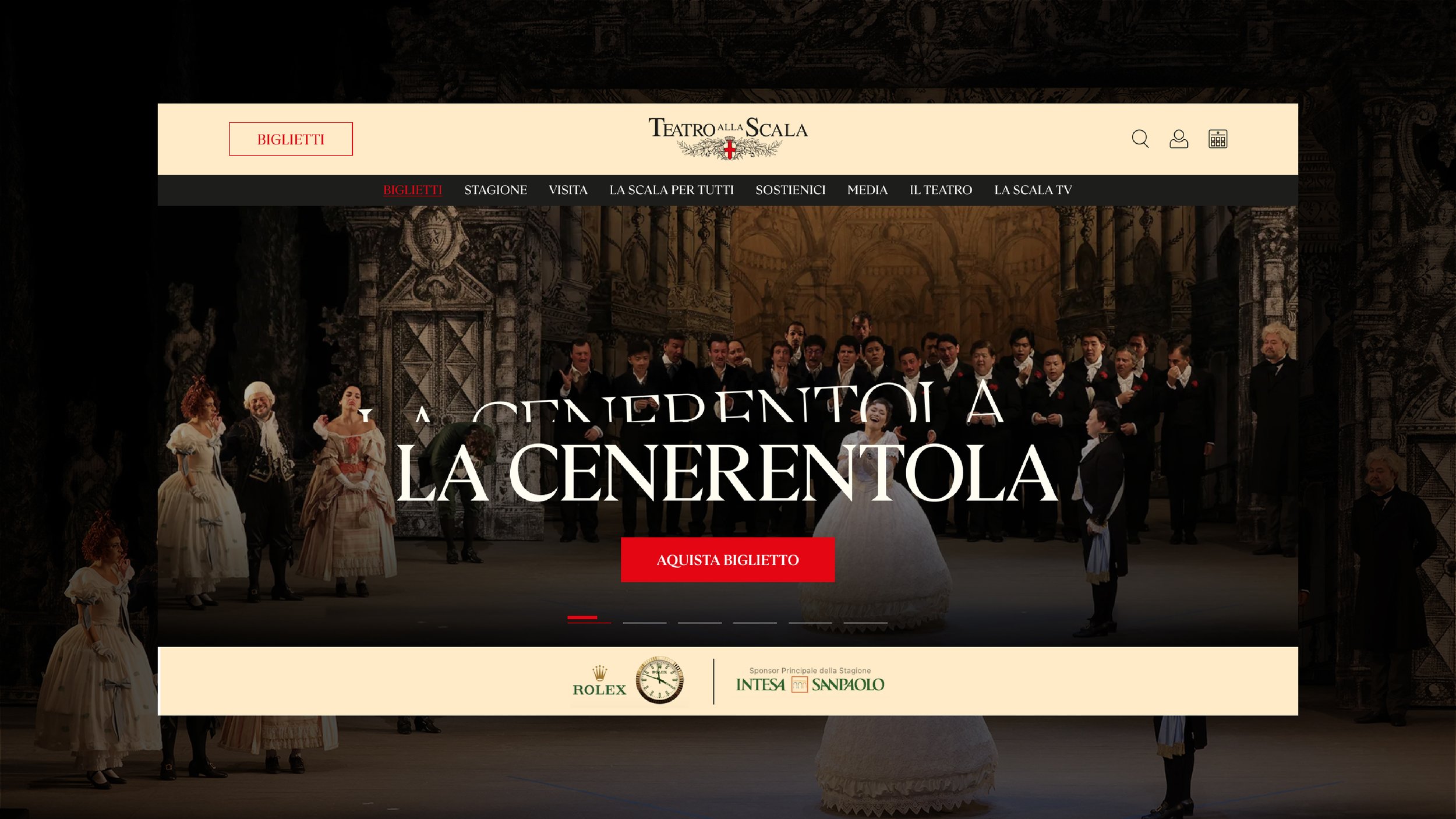
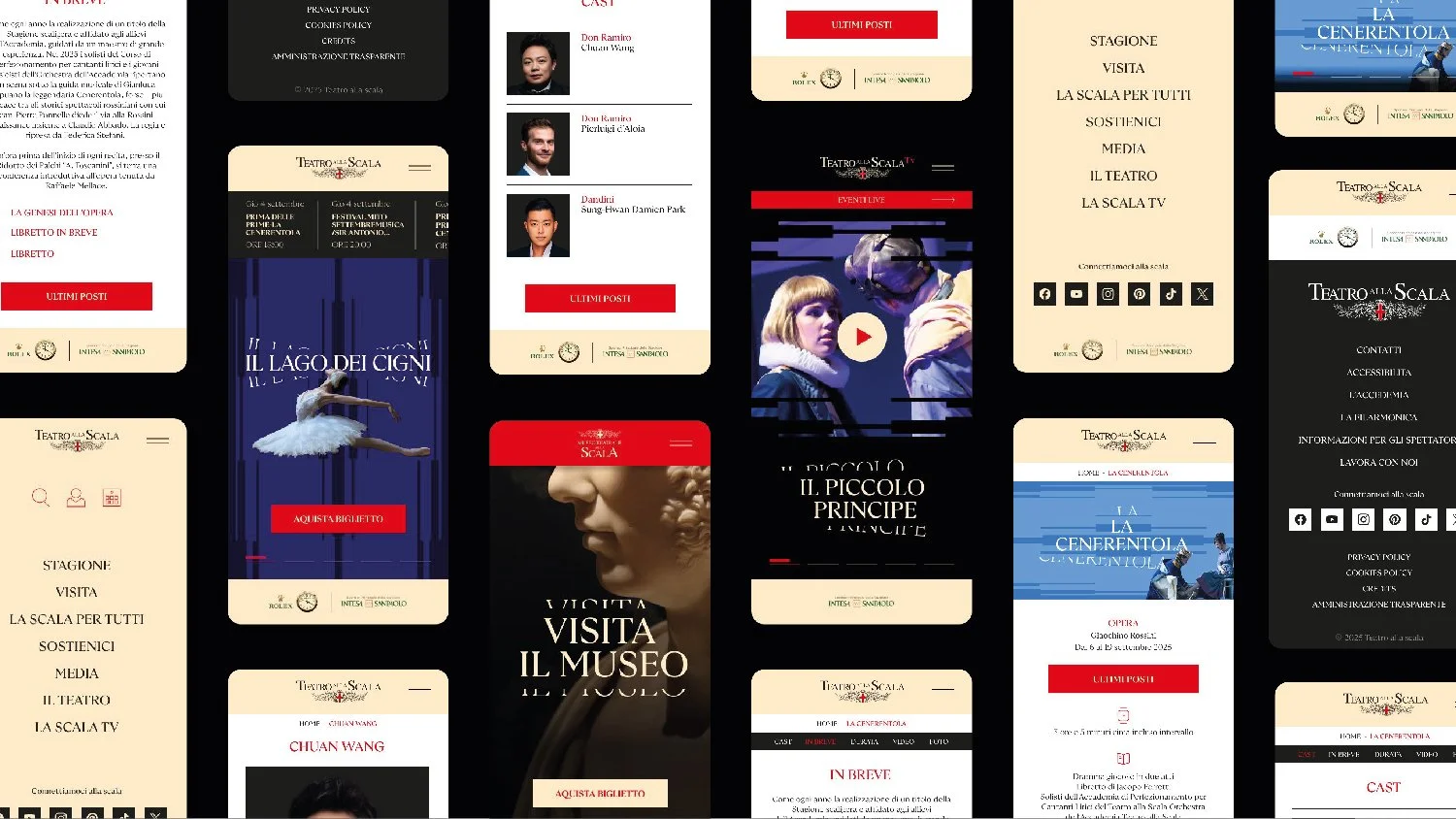
Website as an experiential hub, continuously updated and integrated with social and editorial content
Personalized newsletters and DEM campaigns for different audience segments (enthusiasts, tourists, families, young audiences, and international visitors)
B) Digital campaigns and activations
Google Ads and cross-channel campaigns to reach new audiences and strengthen international visibility
Remarketing strategies and audience segmentation to maximize conversion
C) Experimentation and continuous optimization
A/B testing on creative assets, copy, formats, and calls to action, applied not only to social media but also to newsletters, landing pages, and advertising campaigns
Continuous iterations based on KPIs such as reach, engagement, traffic, and conversions
D) Data management and automation
Collection and integration of data from all channels into a unified analytics platform
Automation systems (e.g., newsletter nurturing flows, behavior-based advertising triggers) to improve engagement with different audiences
VIBRATION: MUSIC AS A VISUAL LENGUAGE
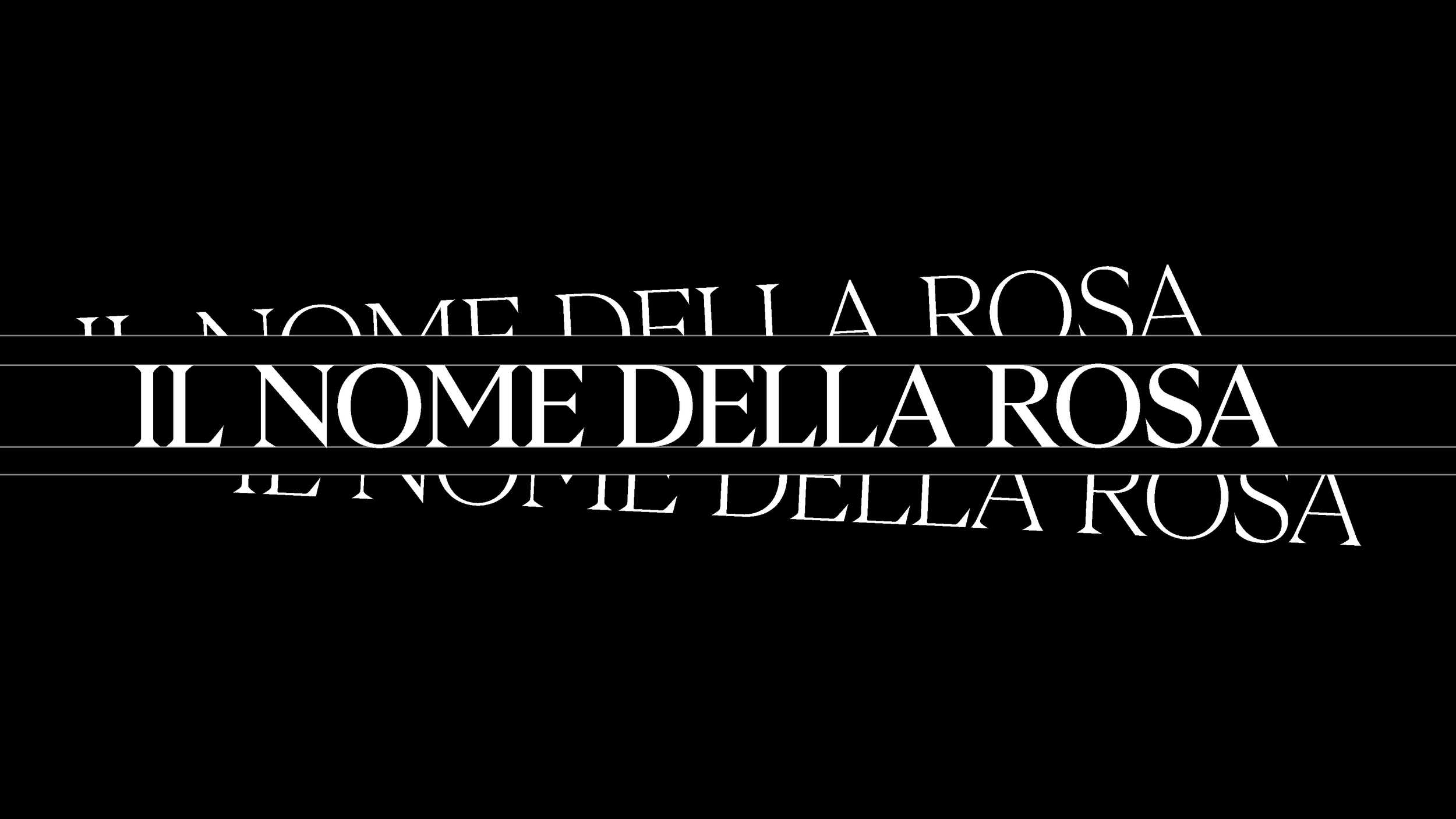
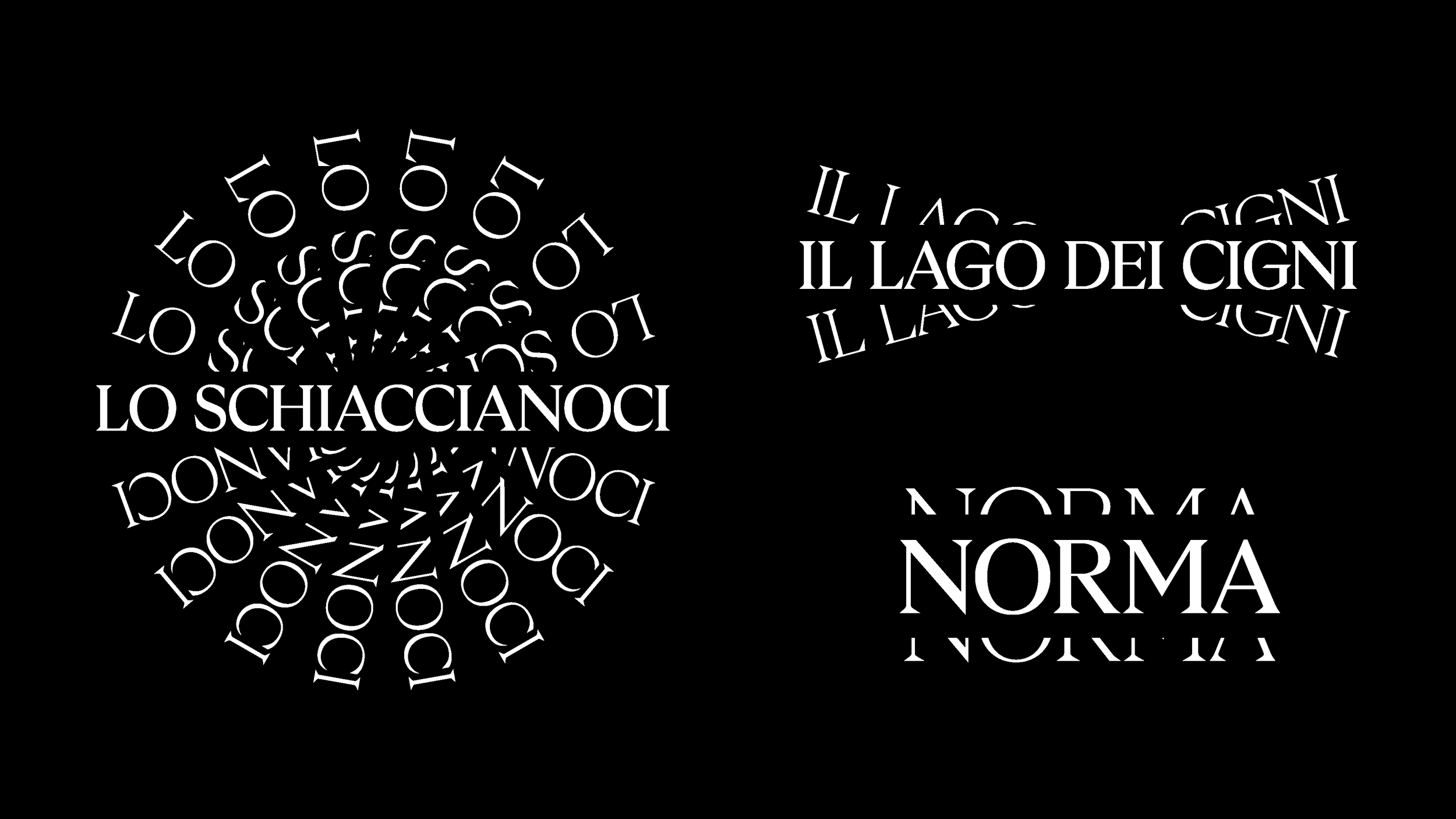
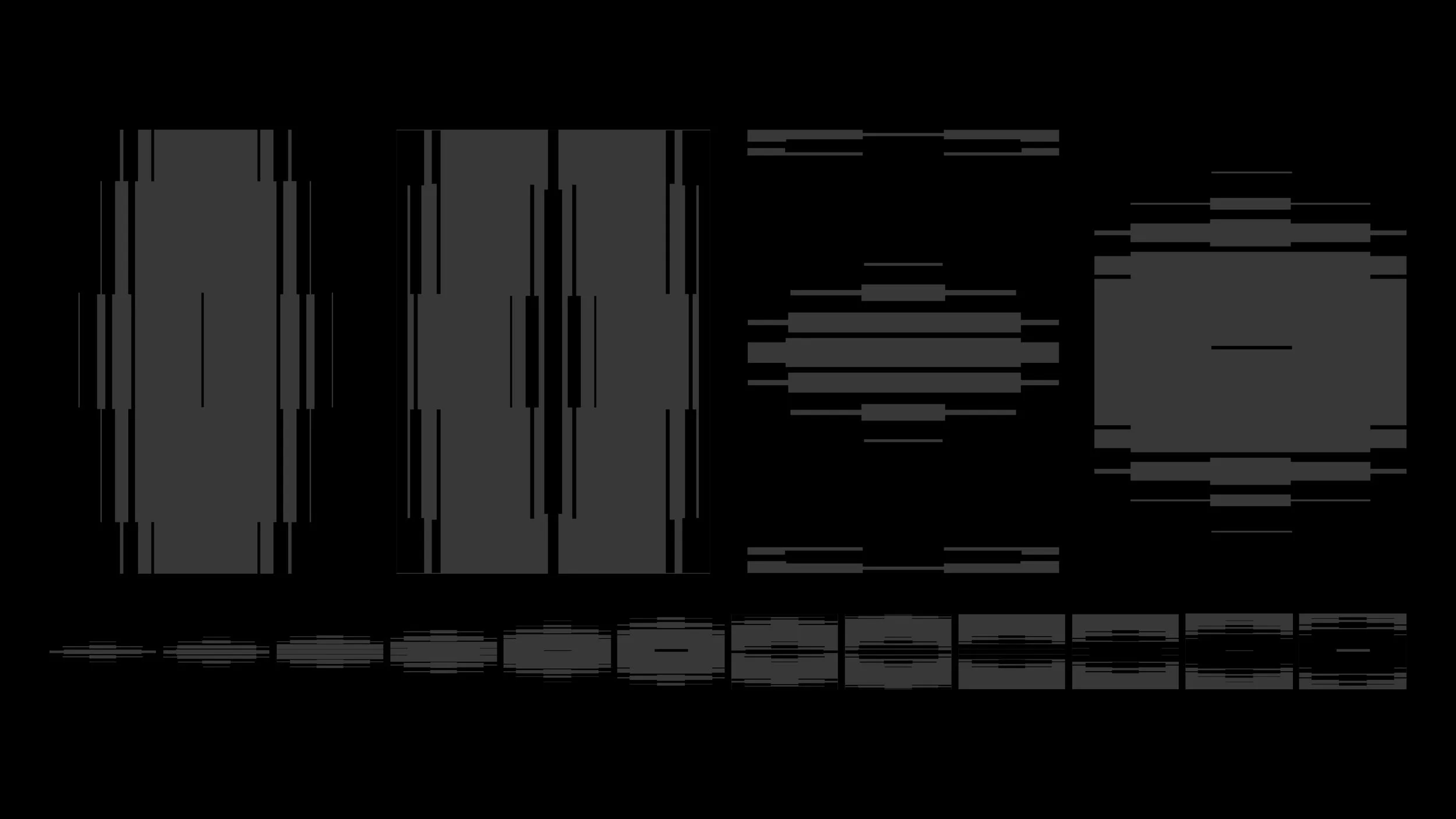
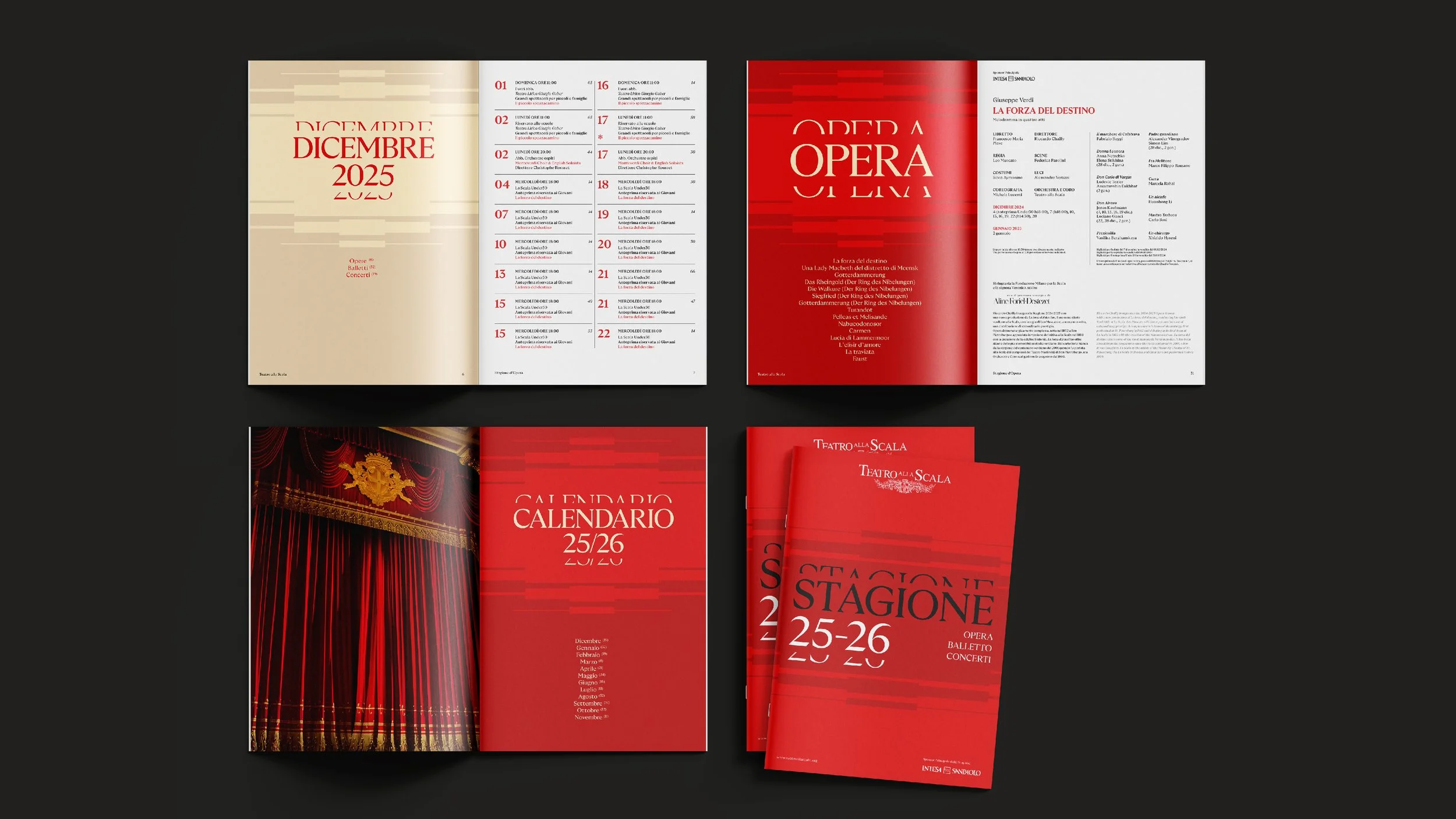
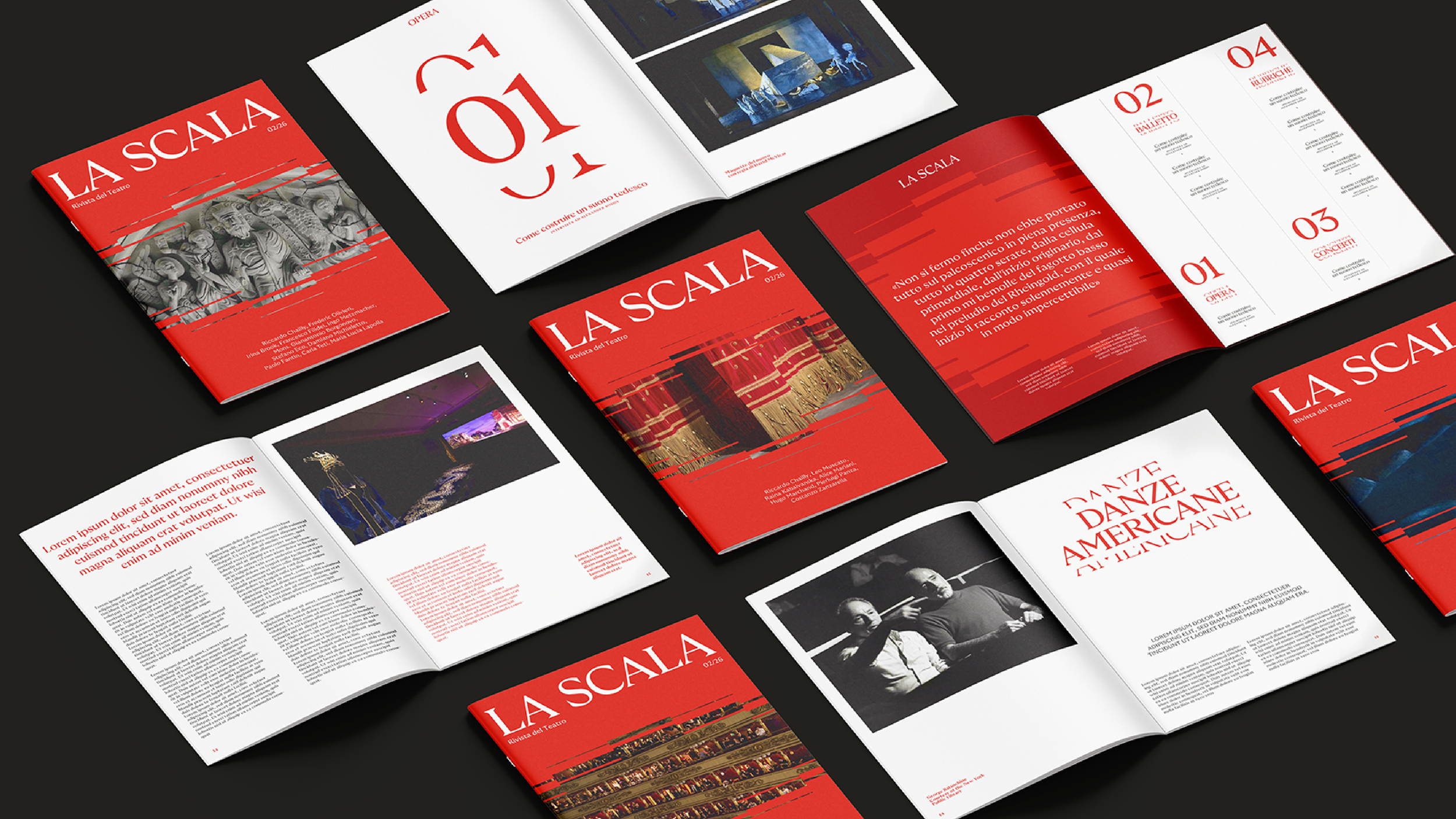
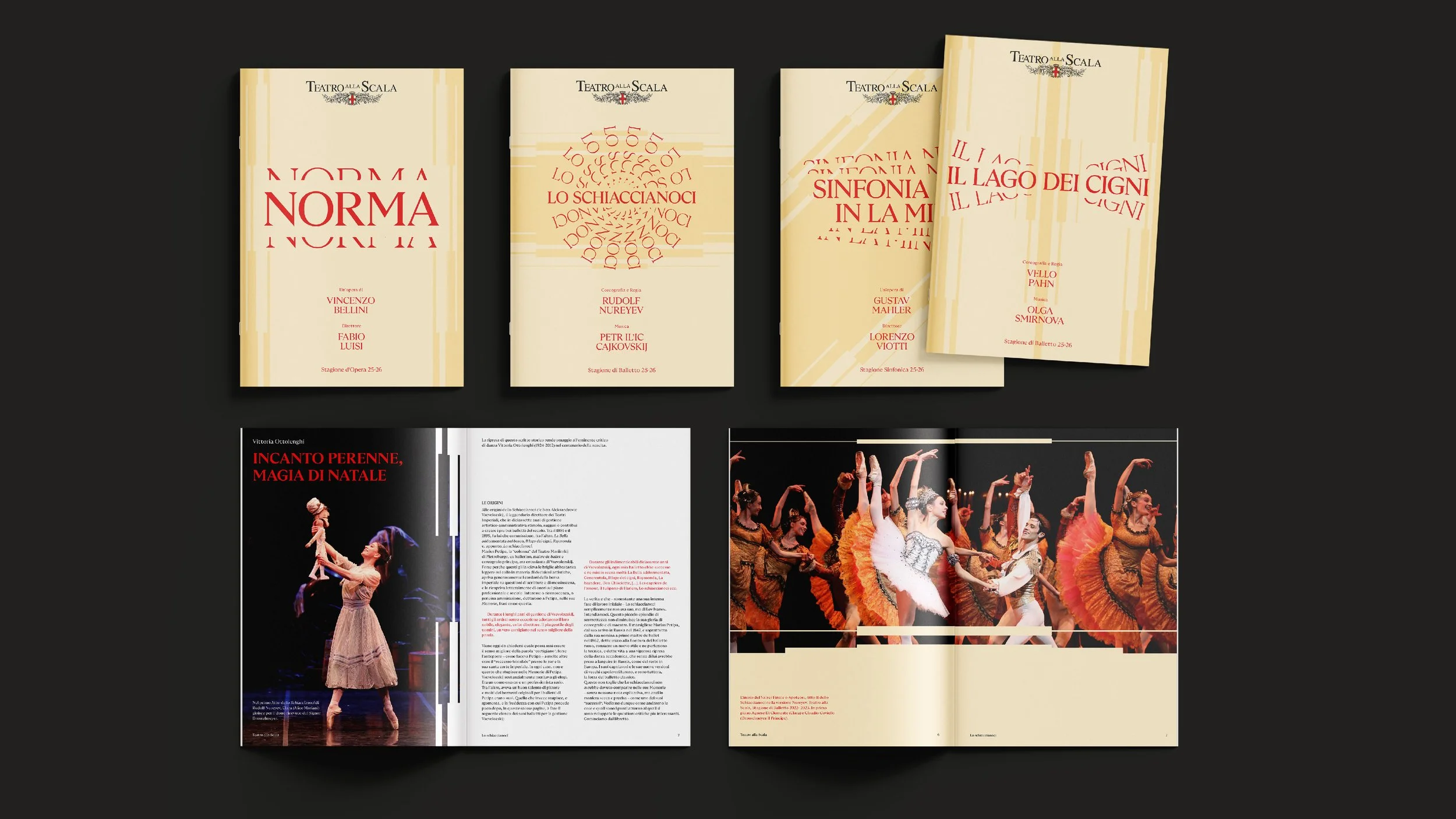
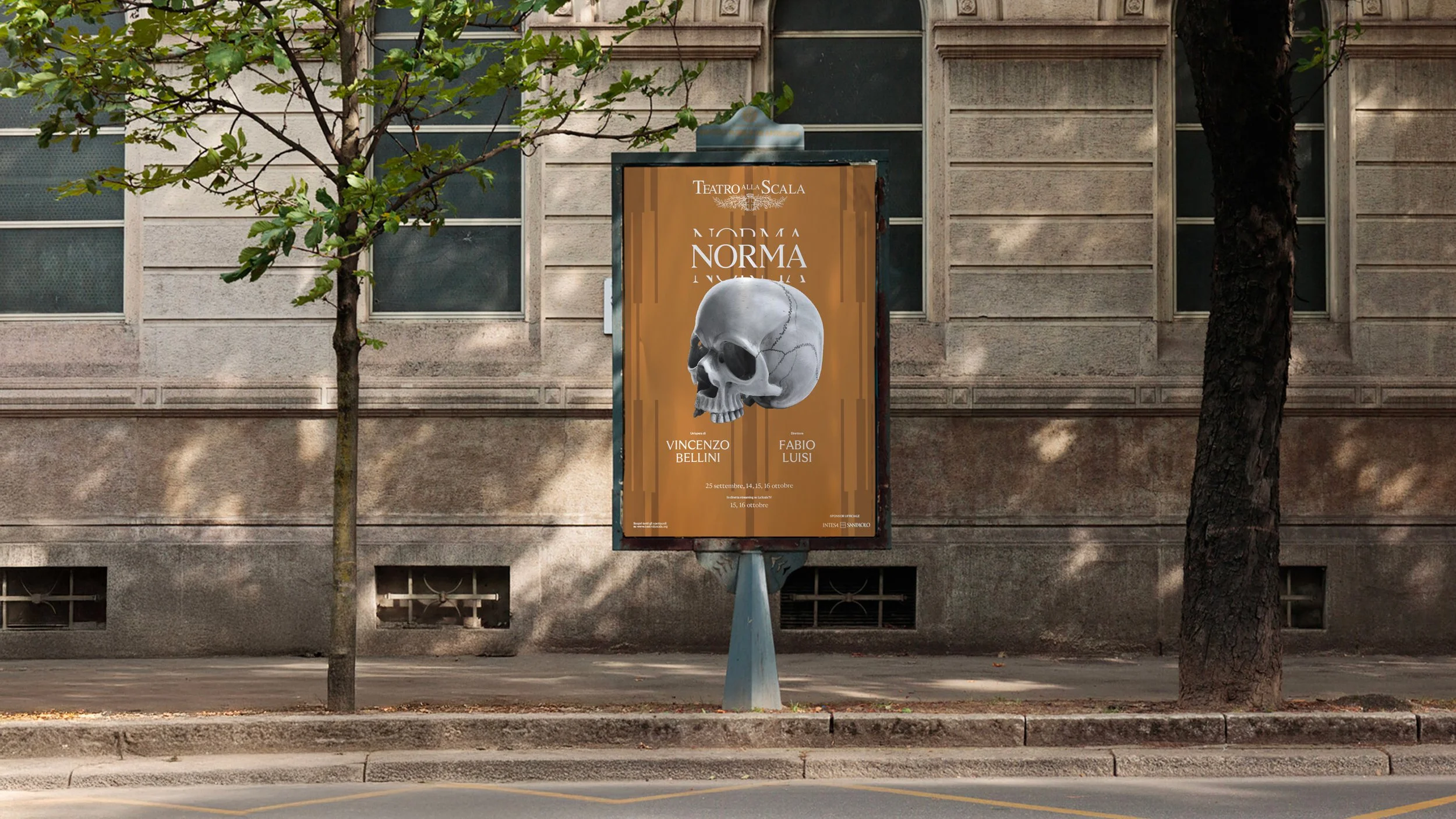
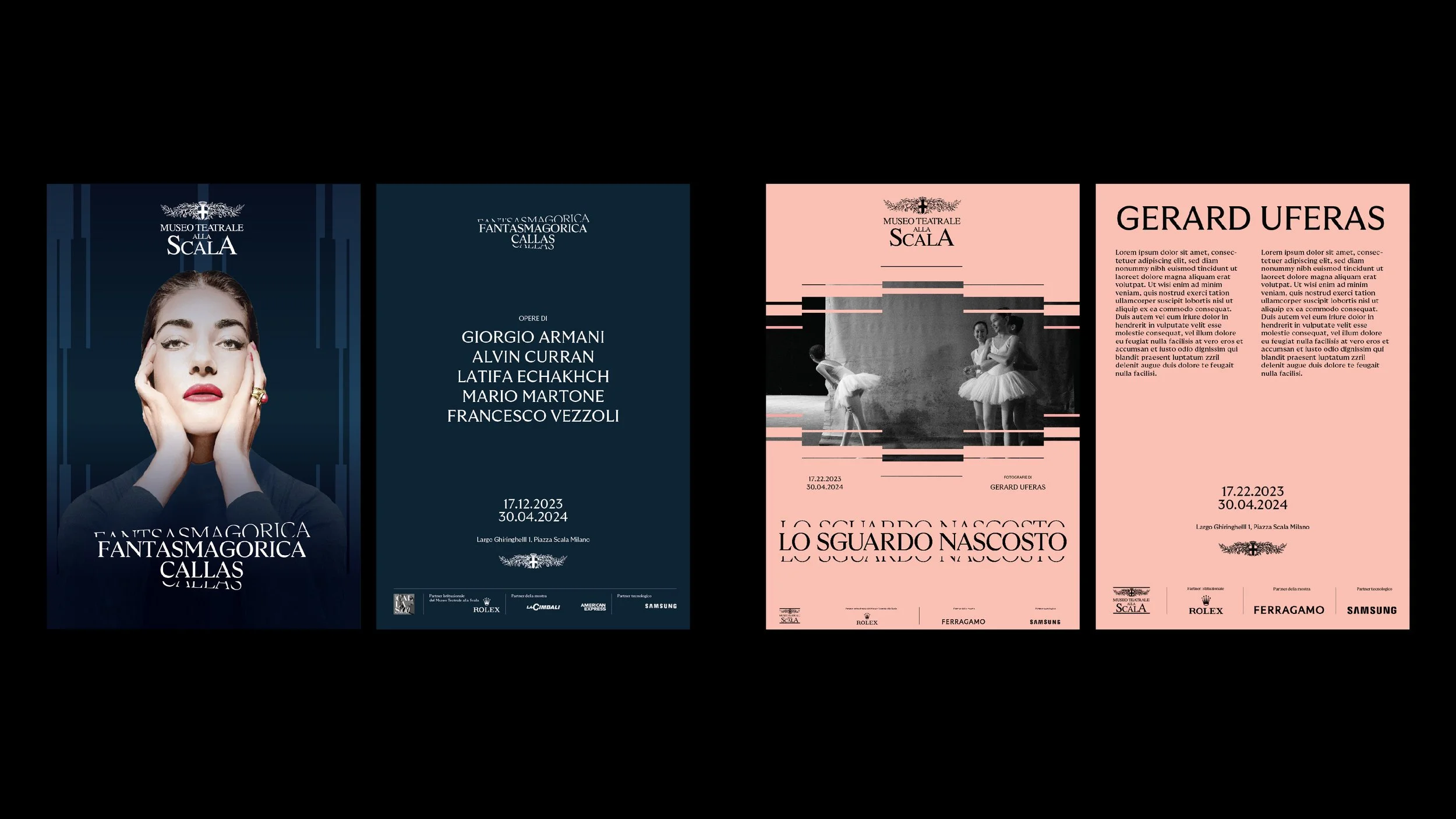
Music becomes a visual language: not a simple illustration of the opera, but its transformation into design. Moving typography, generative patterns, and dynamic masks become elements that translate rhythm and musical intensity into images.
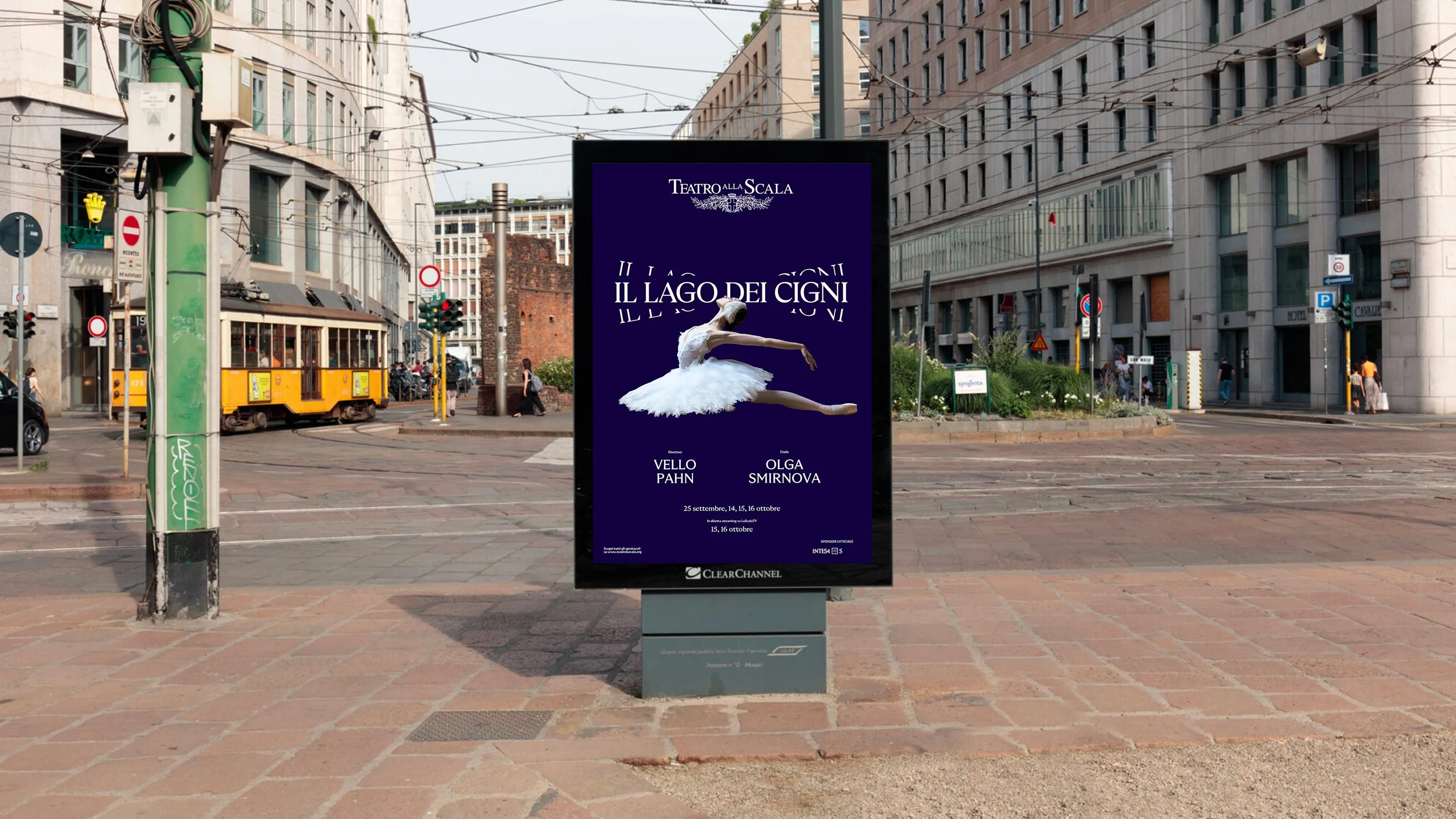
This is a controlled dynamism—capable of expressing the variety and vitality of the repertoire, giving form to emotions, and building a coherent and memorable communication system. A rigorously dynamic language that is equally effective in static outputs and in digital or animated formats.
The concept is based on the idea of reverberation—of music and emotions: an effect that does not end in the moment it is generated but expands, engages, and strengthens the connection with the audience.
This approach maintains rigor and coherence while opening itself to a more expressive and accessible language, capable of reaching diverse audiences and fostering inclusion. The goal is to transform this reverberation into a distinctive and memorable visual signature, spreading it internationally as a fil rouge that runs through all productions.
Reverberation as Visual Behavior
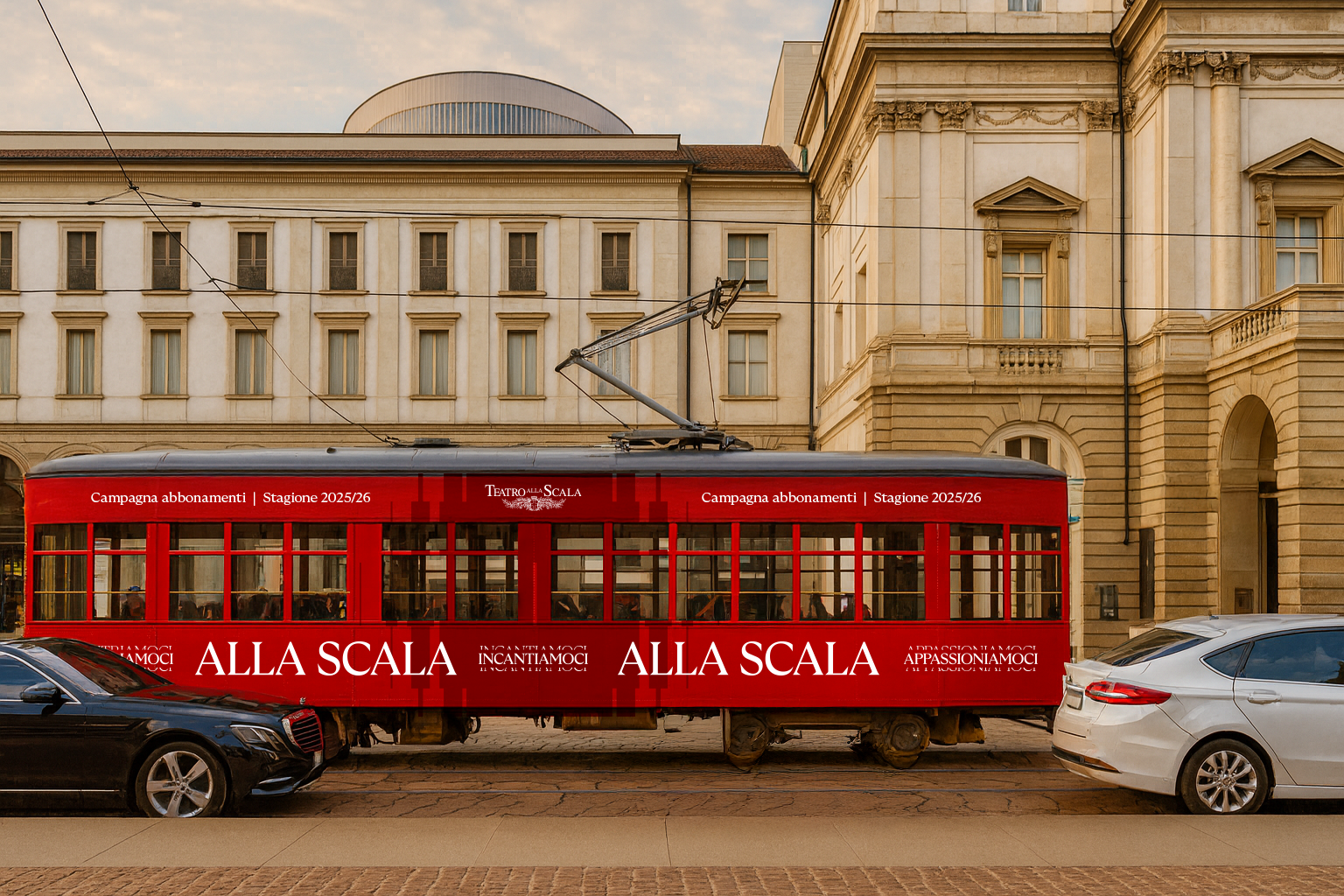
Visual reverberation is the distinctive element that characterizes our proposal, providing coherence and recognizability across all applications. Modulated with varying intensity depending on context—yet always ensuring clarity and consistency—it is applied to selected typographic elements (primarily titles) and graphic elements (especially backgrounds), according to the application rules defined below.
-
Agency: Blank_Spaces
Creative Director: Simone Stucchi -
Brand strategy / Visual identity / UX/UI / Campaign